OEM vs Private Label Leather Goods: Which Manufacturing Model Is Right for Your Brand?
One of the first decisions any brand faces when developing leather goods is not what to make, but how to make it. OEM and private label are the two dominant manufacturing models, and confusing them can lead to the wrong production timeline, the wrong budget expectations, and in some cases, a product that doesn't actually differentiate your brand the way you intended.
This guide breaks down both models in plain terms, so you can decide which one actually fits your brand's stage, budget, and goals.
Table of Contents
- What OEM Manufacturing Means
- What Private Label Manufacturing Means
- Side-by-Side Comparison
- Which Model Fits Your Brand
- The Hybrid Approach
- FAQ
What OEM Manufacturing Means

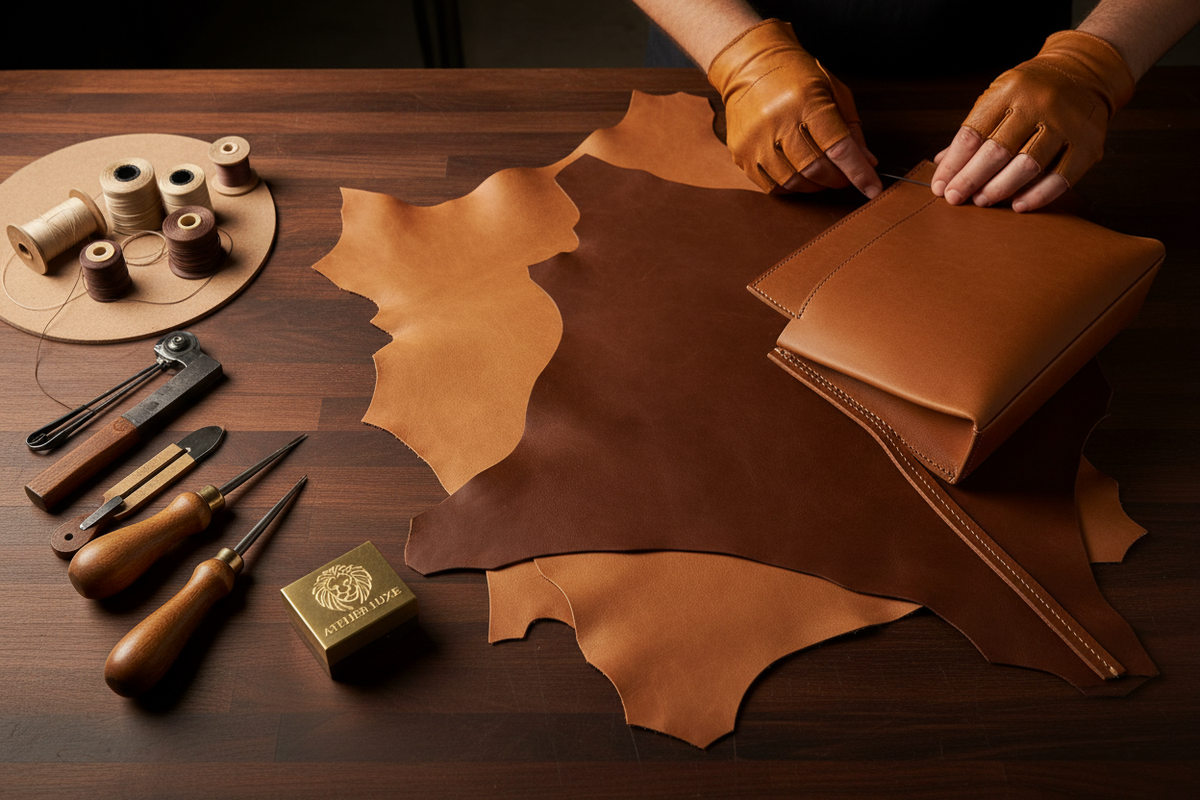
OEM, or Original Equipment Manufacturer production, means the factory builds your product to your own specification. That specification might be a finished tech pack, a detailed reference product, or a concept that a manufacturer's design team helps develop into something production-ready. Either way, the product is developed to your specification, with ownership and exclusivity determined by the agreement between the brand and manufacturer.
OEM typically means:
- Custom design, developed to your specification
- Full material and construction control
- Development time that's longer, since patterns and samples are built from scratch
- Better exclusivity, since competitors aren't shipping the same base product with a different logo
OEM is the right model when product differentiation genuinely matters to your brand, and when you're building toward long-term product ownership rather than a quick market test.
What Private Label Manufacturing Means
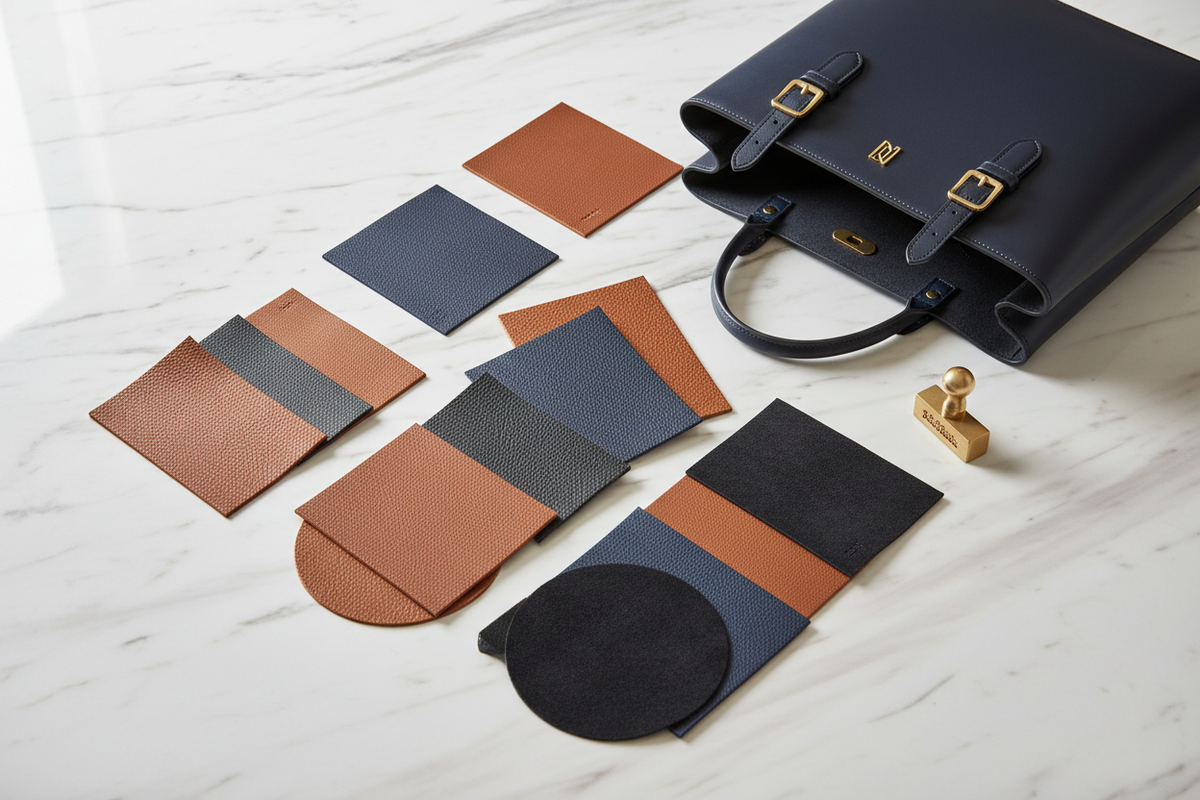
Private label means selecting from a manufacturer's existing, proven constructions and applying your own brand to it. That typically includes your logo, chosen color, lining, and packaging, layered onto a design the factory has already developed and tested.
Private label typically means:
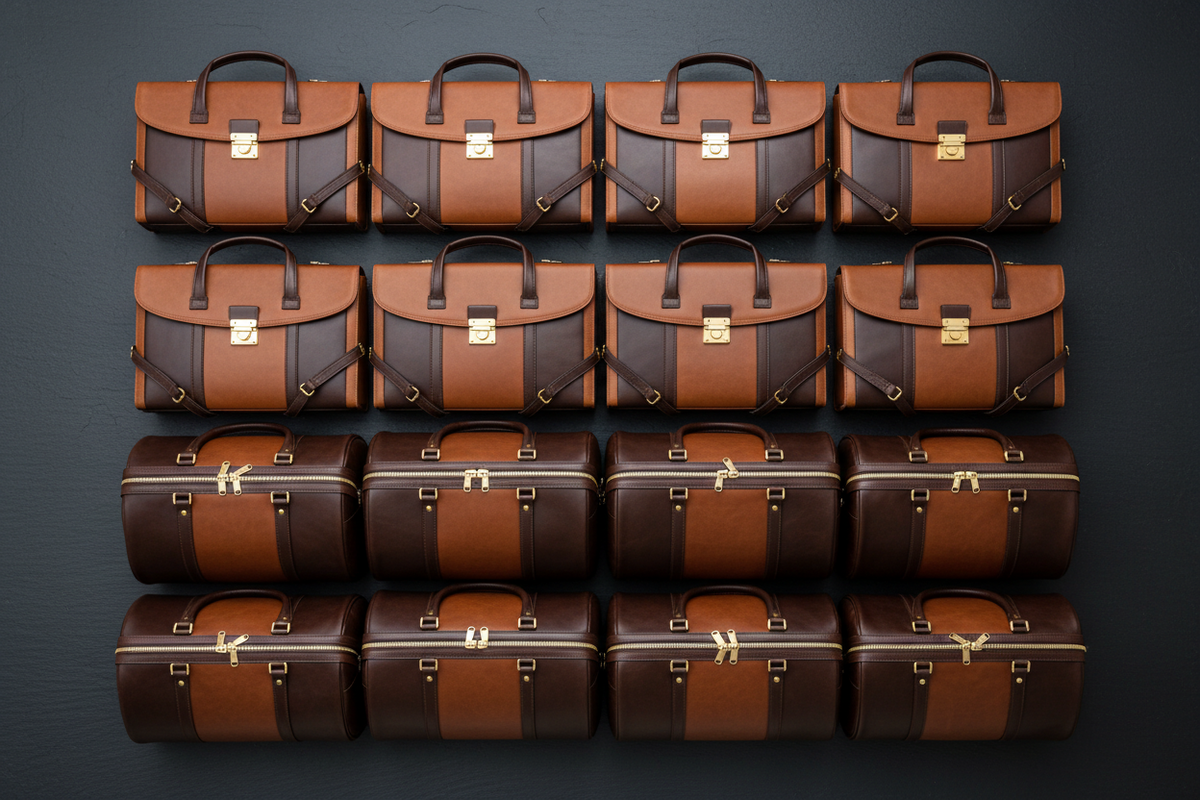
- An existing, proven design as the starting point
- Customization limited to branding elements like logo, color, and lining
- Faster development time, since the base construction already exists
- Lower initial investment and often lower MOQ, since custom tooling isn't required
Private label is the right model for brands that want to move quickly, test demand, or build out a first collection without the development timeline OEM requires.
Side-by-Side Comparison
| Private Label | OEM | |
|---|---|---|
| Starting point | Existing design | Custom, from your specification |
| Design control | Limited to branding elements | Extensive |
| Branding | Yes | Yes |
| Development time | Faster | Longer |
| Exclusivity | Depends on how widely the base design is sold | Stronger |
| Typical MOQ | Often lower | Often higher |
| Best suited for | New or expanding brands testing demand | Established or product-led brands |
MOQ in particular is worth understanding in more depth before committing to either model. See our full guide on leather bag MOQ: what brands need to know.
Which Model Fits Your Brand
If you're launching a new brand and want to validate demand before investing heavily in custom development, private label is usually the more practical starting point. It gets a branded product to market faster, with less upfront risk.
If your brand's competitive edge depends on a genuinely differentiated product, or if you're an established brand extending into a new category, OEM is worth the longer development timeline. The investment in custom patterns and tooling pays off in a product your competitors can't simply replicate.
The Hybrid Approach

Many brands don't stay in one lane forever. A common, practical sequence is to launch with private label products to validate demand and build initial revenue, then move proven bestsellers into OEM development once the market response justifies the investment in custom tooling and patterns. This lets a brand build genuine differentiation over time, without betting the entire first collection on unproven custom designs.
Not sure which model fits your brand?
Obi Pelle works with private label brands, retailers, and corporate partners worldwide, offering both models depending on your product, timeline, and goals. Start a consultation with our team →
FAQ
What is the main difference between OEM and private label? OEM means a product is built to your own custom specification. Private label means you apply your branding to a design the manufacturer has already developed.
Which model has a lower MOQ? Private label generally has a lower MOQ, since it uses an existing construction rather than requiring custom tooling and pattern development.
Can a brand use both models? Yes. Many brands launch with private label to test demand, then move successful products into OEM development once volume justifies the investment.
Does OEM always mean higher cost? Not necessarily higher unit cost, but typically higher upfront investment in development, sampling, and tooling, which is recovered over a larger production run.
How long does OEM development usually take compared to private label? Private label can often move to production faster since the base design already exists. OEM requires pattern development and sampling from scratch, which extends the timeline. For a full breakdown of what affects your minimum order, see our guide on leather bag MOQ.
Related reading: How to Choose the Right Leather Goods Manufacturer for Your Brand · Leather Bag MOQ: What Brands Need to Know · Leather Goods Quality Control