Article: Full-Grain vs Top-Grain Leather: Which Is Right for Your Brand?
Full-Grain vs Top-Grain Leather: Which Is Right for Your Brand?
Full-grain and top-grain are two of the most commonly used, and most commonly misunderstood, terms in leather. Both describe genuine, high-quality leather, but they differ in how the hide is processed, and that difference has real consequences for durability, appearance, cost, and how a product ages over years of use.
This guide breaks down the actual difference from a product development perspective, so you can choose the right material for your brand rather than defaulting to whichever term sounds more premium.
Table of Contents
- What Full-Grain Leather Actually Is
- What Top-Grain Leather Actually Is
- Durability Compared
- Appearance and Natural Variation
- Consistency and Finish
- Cost Implications
- Choosing by Product Type
- FAQ
What Full-Grain Leather Actually Is

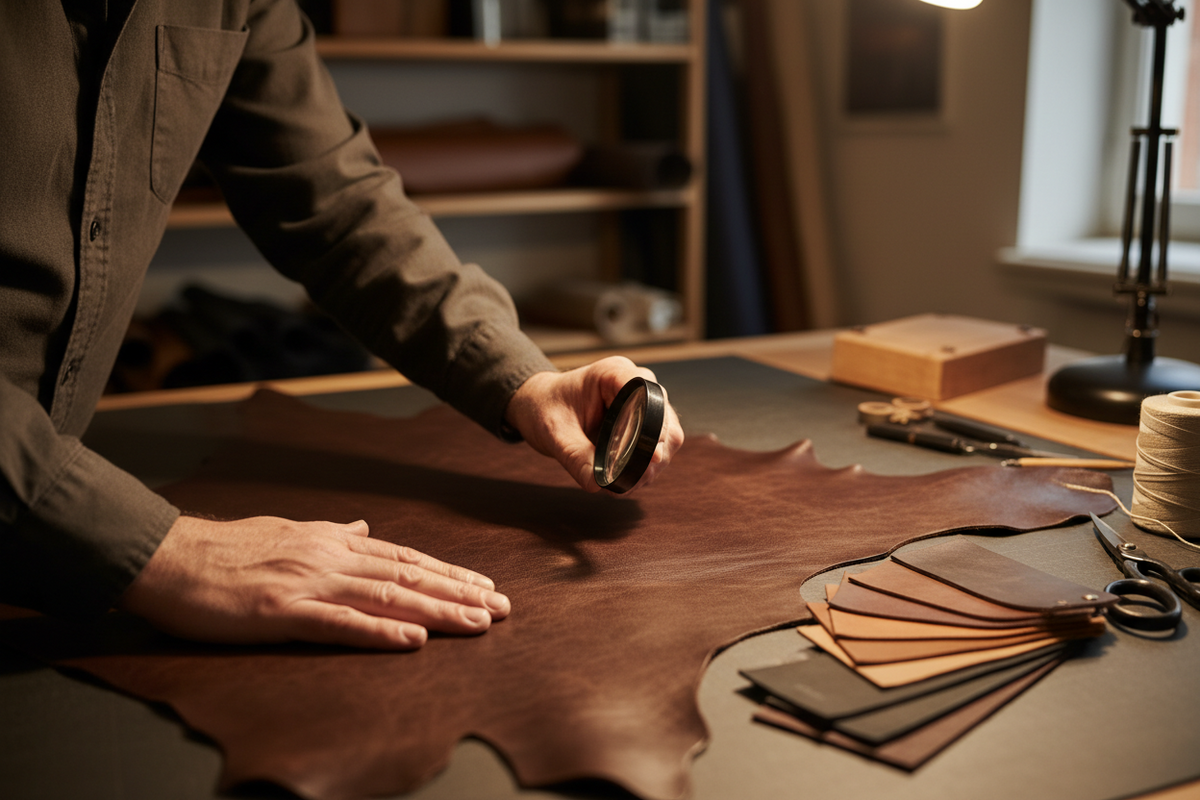
Full-grain leather uses the entire top layer of the hide, including the natural grain surface, without sanding, buffing, or polishing it away. This means the leather retains its natural texture and markings, including the subtle variations that come from the animal's own skin. Because none of the fibrous top layer is removed, full-grain leather is generally the strongest and most durable grade available, and it develops a natural patina over years of use rather than simply wearing out.
What Top-Grain Leather Actually Is
Top-grain leather also comes from the top layer of the hide, but its surface may be lightly sanded or otherwise refined to create a more uniform appearance. This process removes some of the hide's natural texture in exchange for a more consistent, predictable finish. Top-grain is still genuine, quality leather, it's simply processed differently to prioritize uniformity over natural character.
Durability Compared
Full-grain leather generally holds up better over long-term use, since the natural fiber structure of the hide remains fully intact. Top-grain leather is still durable and suitable for everyday products, but the sanding process that creates its more uniform surface also removes a thin layer of the hide's strongest fibers.
For products expected to last years and develop character with age, full-grain is typically the stronger choice. For products where a clean, consistent finish matters more than natural aging, top-grain is a practical, still genuinely durable option.
Appearance and Natural Variation
Full-grain leather will show natural variation, hide to hide and even panel to panel, including subtle marks that are part of the animal's own skin rather than a manufacturing flaw. Some brands and customers specifically want this natural character. Others prefer the more uniform, predictable appearance that top-grain's refinishing process provides.
Neither is objectively better. It depends entirely on the aesthetic your brand is building toward.
Consistency and Finish
If your product line depends on matching color and texture precisely across a large batch, top-grain's more controlled finish makes that consistency easier to achieve at scale. Full-grain's natural variation, while part of its appeal, does require more careful hide selection and sorting to maintain visual consistency across a production run.
Cost Implications
Full-grain leather is generally more expensive, both because the raw hide itself commands a premium and because working with natural, less uniform material typically requires more skilled cutting and selection to minimize waste and maintain consistency. Top-grain's more processed, uniform surface is typically more efficient to work with, which is reflected in a lower material cost. If you're requesting a custom leather color, this also affects your minimum order. See our guide on leather bag MOQ for how material choice factors into production planning.
Choosing by Product Type

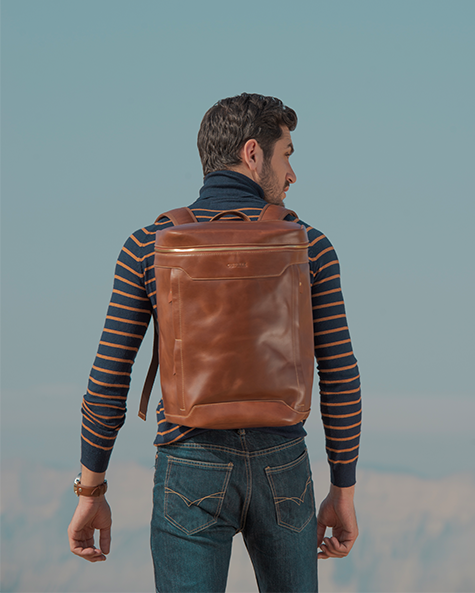
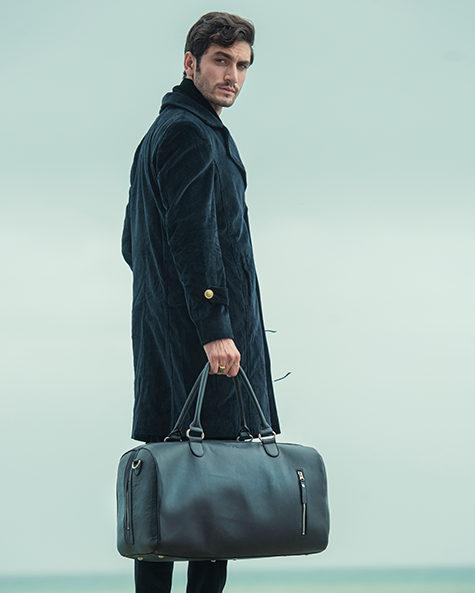
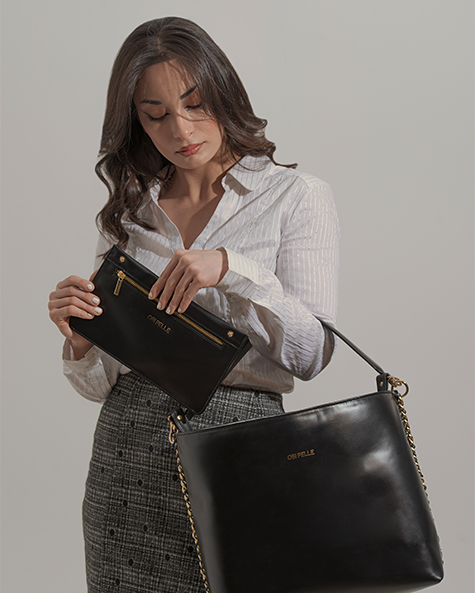
For premium bags and accessories meant to age well and develop character over years, full-grain is generally the stronger fit, particularly for a brand positioning itself at the premium end of the market. For high-volume commercial collections, or products where color and texture consistency across a large batch matters more than natural variation, top-grain often makes more practical sense. Many brands use both strategically, full-grain for a premium tier and top-grain for a more accessible collection within the same product range. Material capability is also one of the key things to evaluate in a manufacturer more broadly. See our guide on how to choose the right leather goods manufacturer for your brand.
Not sure which leather grade fits your product line?
Obi Pelle works with full-grain and vegetable-tanned leather as standard, and can guide material selection based on your product, positioning, and budget. Discuss your project with our team →
FAQ
Is top-grain leather fake leather? No. Top-grain is genuine leather from the top layer of the hide, simply sanded and refinished for a more uniform appearance. It's a different grade, not a synthetic material.
Which leather grade lasts longer? Full-grain generally holds up better over long-term use, since none of the hide's natural fiber structure is removed during processing.
Why is full-grain leather more expensive? Full-grain commands a premium both for the raw hide itself and because working with natural, less uniform material typically requires more skilled cutting and selection.
Can a brand use both full-grain and top-grain across different products? Yes. Many brands use full-grain for a premium tier and top-grain for a more accessible collection within the same product range.
Does full-grain leather look inconsistent across a production batch? It shows natural variation by design, though careful hide selection and sorting during production helps maintain visual consistency across a batch. This is one of the checks covered in our guide on leather goods quality control.
Related reading: How to Choose the Right Leather Goods Manufacturer for Your Brand · Leather Goods Quality Control · Leather Bag MOQ: What Brands Need to Know