Full-Grain vs Vegetable-Tanned Leather: What's the Difference?
"Full-grain" and "vegetable-tanned" get used interchangeably in a lot of product descriptions, but they're not describing the same thing at all. One is about which layer of the hide was used. The other is about how that hide was treated afterward. Understanding the difference actually matters if you're spending real money on a leather bag, because it tells you how the piece will look, feel, and age over the years you own it.
In This Guide
- Full-Grain vs Top-Grain: The Hide Layer
- Vegetable-Tanned vs Chrome-Tanned: The Tanning Process
- How the Two Actually Combine
- Which One Should You Choose?
- Where You'll Find Each in Practice
- Frequently Asked Questions
Full-Grain vs Top-Grain: The Hide Layer
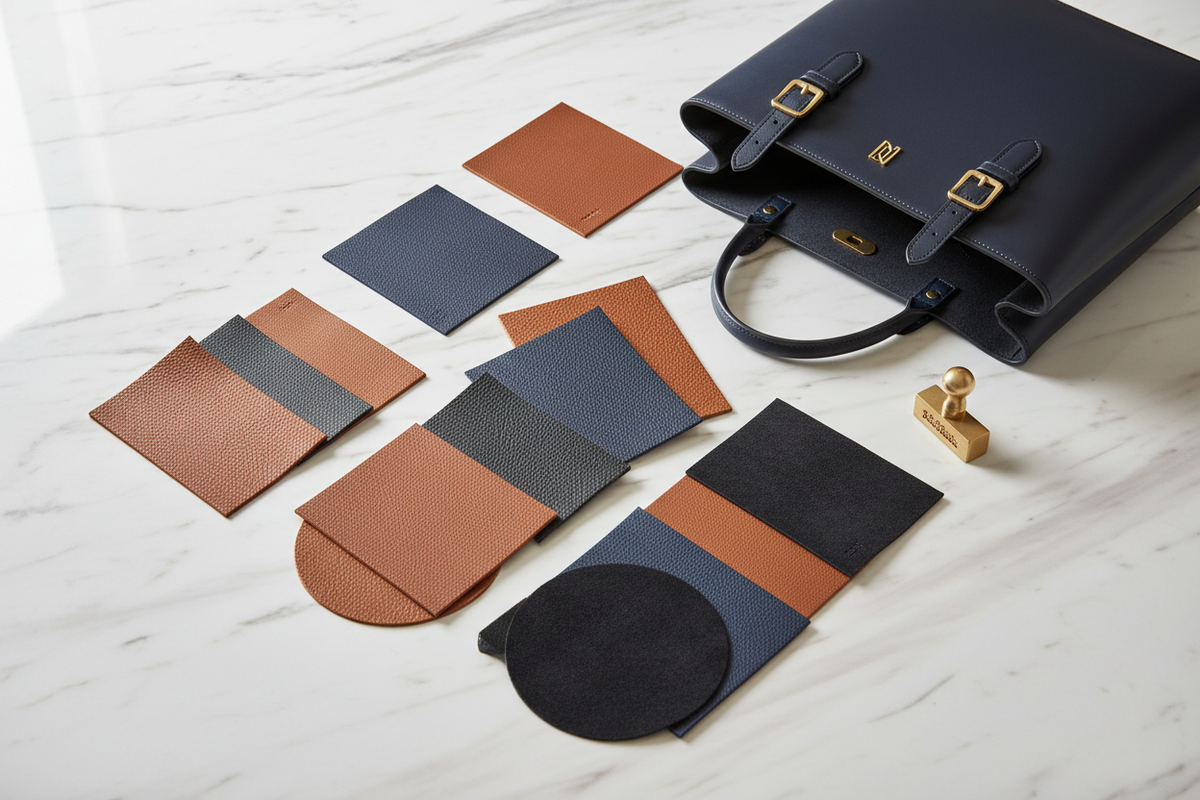
This is about which part of the animal hide ends up in your bag. Full-grain leather keeps the outermost layer of the hide completely intact, including its natural grain, texture, and any small imperfections that come with a living, breathing material. Nothing is sanded away. This is what gives full-grain leather its density and its ability to develop a rich patina, a gradual darkening and softening that makes the bag look better the longer you use it.
Top-grain leather comes from the same part of the hide, but the surface is sanded down and refinished to remove imperfections and create a more uniform, polished look. It's often thinner and more flexible as a result, which some people like. What it loses is the density and the long-term aging character that makes full-grain leather stand out. Top-grain also tends to show wear rather than develop it, cracking or peeling in a way full-grain leather generally resists.
Vegetable-Tanned vs Chrome-Tanned: The Tanning Process
Tanning is a separate step entirely, and it happens regardless of which grain of leather you're starting with. Vegetable tanning uses natural tannins extracted from tree bark, leaves, and other plant matter. It's a slower process, often taking weeks, and it produces a firmer, more structured leather that holds its shape well, ages into deeper tones over time, and tends to be more environmentally sustainable than the alternative.
Chrome tanning uses chromium salts and takes hours rather than weeks. It produces a softer, more pliable leather that's easier to mass-produce and more resistant to water in its raw state, but it doesn't develop the same character over years of use and isn't typically the choice for a bag meant to last a lifetime.
How the Two Actually Combine
Since grain and tanning are separate properties, a piece of leather is really described by both at once: you can have full-grain, vegetable-tanned leather, which combines the best qualities of each, or top-grain, chrome-tanned leather, which is common in mass-market goods where cost and speed matter more than longevity. When a product description only mentions one term, it's worth asking which hide layer or which tanning process it's actually referring to, since the two aren't interchangeable.
One related term worth knowing: pull-up leather refers to a finish, not a grain or a tanning method. It's leather treated with oils and waxes that cause the color to lighten, or "pull up," when the leather is stretched or bent, then settle back. It's a separate characteristic that can appear on either full-grain or top-grain leather.
Which One Should You Choose?
If you want a bag that looks better the longer you own it and can handle years of daily use, full-grain, vegetable-tanned leather is the strongest combination available. It costs more upfront, largely because vegetable tanning takes longer and full-grain hides have fewer usable sections once natural imperfections are worked around. If you're prioritizing a lighter, more uniform look over long-term durability, a top-grain or chrome-tanned piece may suit you better, though it won't age the same way.
For something you'll carry every workday, like a leather business bag, the durability of full-grain leather tends to matter more than it does for an occasional-use piece. We cover this in more detail in our guide to the best leather laptop bags for men, including what else to look for beyond the material itself.
Where You'll Find Each in Practice
Rather than leave this theoretical, here's how it shows up across a couple of real pieces:

Ambassador
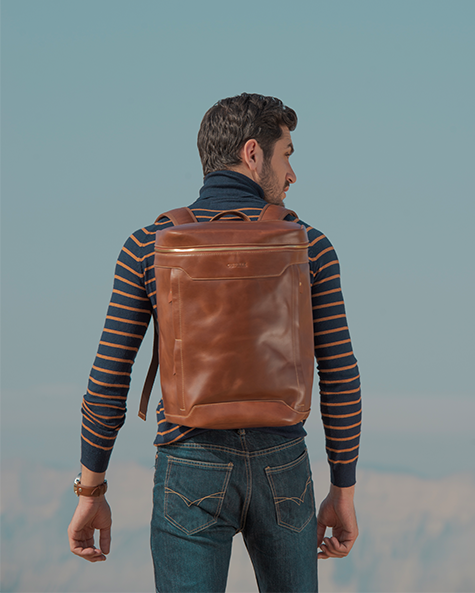
Built from full-grain leather, the Ambassador is designed to hold its structured shape through daily use and develop a deeper patina the longer it's carried.
Shop Now
Harber
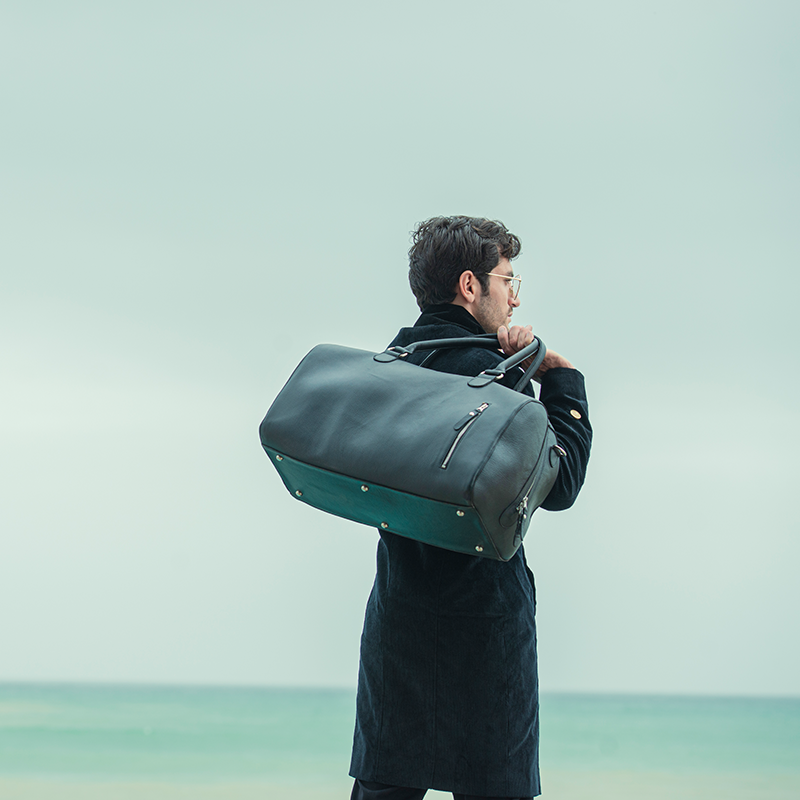
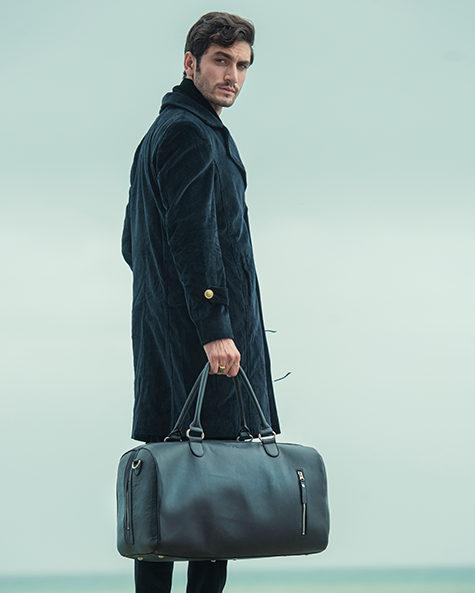
Crafted from vegetable-tanned leather and fitted with solid brass hardware, the Harber duffel is built for the kind of travel where the bag needs to age with you, not just survive the trip. See it alongside other options in our guide to choosing the right leather travel bag.
Shop Now
Cooper
A slim, minimalist laptop sleeve in full-grain leather, for anyone who wants the material's durability without the bulk of a full business bag.
Shop NowIf you're looking to put these qualities into practice, explore our collection of premium leather bags, crafted from quality leather for work, travel and everyday use.
Frequently Asked Questions
Is full-grain leather the same as vegetable-tanned leather?
No. Full-grain describes which layer of the hide was used, while vegetable-tanned describes how that hide was treated afterward. A piece of leather can be full-grain and chrome-tanned, or top-grain and vegetable-tanned, since they're independent properties.
What is the best leather for bags?
Full-grain, vegetable-tanned leather is generally considered the strongest combination for durability and long-term appearance, since it holds up to daily use and develops a patina rather than simply wearing down. Actual quality still depends on the specific hide, how well it was tanned and finished, and the construction of the bag itself, so the material combination is a strong starting point rather than a guarantee on its own.
Does vegetable-tanned leather scratch easily?
It can show light surface marks more readily than chrome-tanned leather, but these typically blend into the patina over time rather than remaining as visible damage.
What does "pull-up" leather mean?
Pull-up refers to a finish where the leather's color lightens when stretched or bent and settles back afterward. It's a separate characteristic from the grain layer or the tanning process, and can appear on various types of leather.
Where does Obi Pelle's leather come from?
Our leather is sourced from LWG Gold-rated tanneries, the highest environmental rating awarded by the Leather Working Group, and handcrafted into finished pieces in Karachi.