How to Choose the Right Leather Travel Bag
A travel bag lives a harder life than almost anything else in your wardrobe. It gets thrown into overhead bins, dragged across cobblestones, rained on at bus stops, and packed tighter than it was ever designed for. Choosing the right one means thinking past how it looks in a product photo and toward how it holds up on your fifth trip, not just your first.
In This Guide
- Duffel, Weekender, or Something Else
- Matching the Bag to Your Trip Length
- Material: Built for Wear, Not Just Looks
- Organization for Life on the Move
- Hardware That Survives Baggage Handling
- A Few Options Worth Considering
- Frequently Asked Questions
Duffel, Weekender, or Something Else
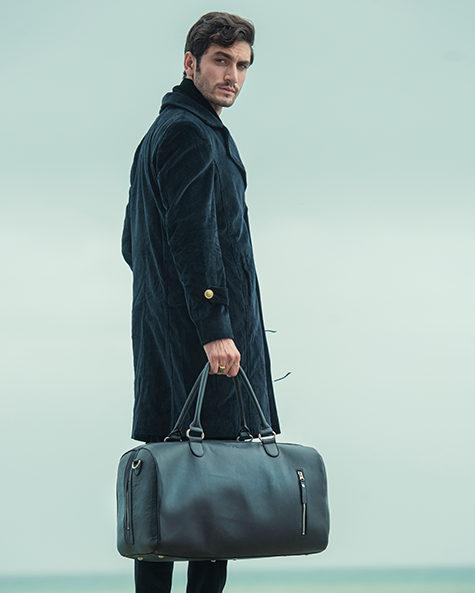
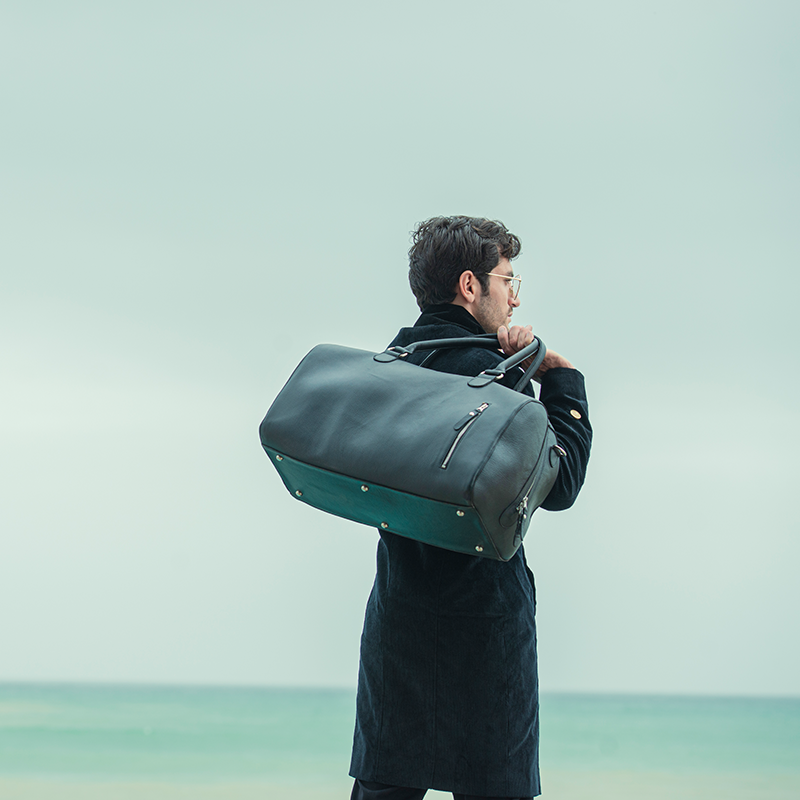
These terms get used loosely, but they point to real differences in shape and purpose. A duffel is typically cylindrical or rectangular, built around a single main compartment, and designed to be carried by the hand or slung over a shoulder. A weekender is usually a bit more structured, often with a flatter base and a more defined silhouette, making it easier to pack neatly and set down on its own without tipping over. Neither is objectively better. A duffel tends to win on flexibility and packing volume, while a weekender tends to win on structure and a more polished look for the kind of trip where appearance matters as much as function.
Matching the Bag to Your Trip Length
The most common mistake is buying a bag sized for the trip you wish you were taking rather than the one you actually take most often. A one or two-night trip rarely needs more than a well-organized duffel with room for a change of clothes, toiletries, and a laptop or documents. Longer weekend trips benefit from a larger weekender with a dedicated shoe compartment or a separate base section, so shoes aren't packed against clothing. If you regularly find yourself checking a bag rather than carrying it on, a travel bag probably isn't the right category at all, and a proper leather suitcase or hard case would serve you better.
Material: Built for Wear, Not Just Looks
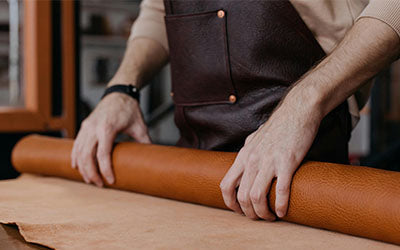
Travel bags take more physical abuse than almost any other leather good you own, which makes the material question more important here than it is for something like a briefcase that mostly sits under a desk. Full-grain leather resists scuffing and develops a patina rather than showing damage, which matters when a bag is getting set on airport floors and shoved into overhead bins. Vegetable-tanned leather adds structure and firmness on top of that, so the bag holds its shape rather than sagging after a few trips.
We've gone into more depth on how these two properties actually differ, and why the combination matters, in our guide to full-grain versus vegetable-tanned leather. For a travel bag specifically, this combination is less about looks and more about whether the bag survives years of the kind of handling only travel produces.
Organization for Life on the Move
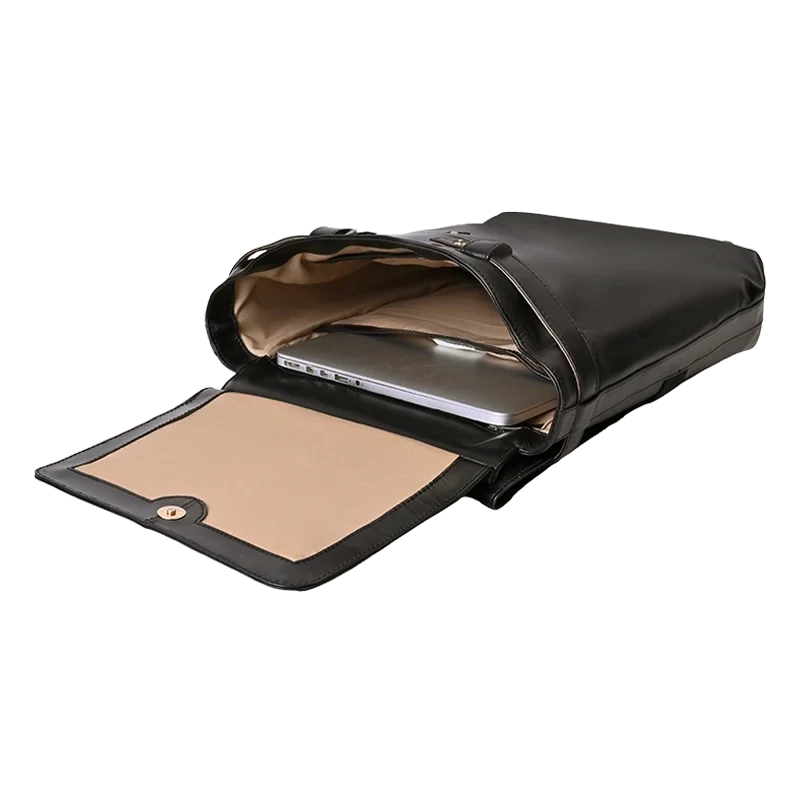
A good travel bag separates categories of items rather than leaving everything loose in one compartment. Look for a dedicated space for shoes or dirty laundry, separate from clean clothing. A side pocket sized for a passport, boarding pass, or phone saves you from digging through the main compartment at a gate. If you're likely to carry a laptop as well, check whether the bag has a padded sleeve built in, since not all travel bags do, and packing a laptop loose against everything else is asking for scratches.
Hardware That Survives Baggage Handling
Zippers and buckles on a travel bag take more punishment in a year than a business bag takes in five. Solid brass or heavy-gauge metal hardware holds up far better than lighter alternatives, particularly on zipper pulls and strap clasps, which are usually the first things to fail. A trolley strap that slides over a suitcase handle is a small addition that makes a genuine difference on days when you're already carrying too much.
A Few Options Worth Considering
Obi Pelle's Men's Travel Bags collection is built around this exact set of priorities: full-grain and vegetable-tanned leather, reinforced hardware, and layouts designed for actual trips rather than just weekend photos. A couple of specific pieces worth a closer look:

Harber
A vegetable-tanned leather duffel fitted with solid brass hardware, built for weekend escapes and longer trips alike without losing its shape along the way.
Shop Now
Milano
A more structured weekender with expansive interior space and antique brass fittings, suited to longer journeys where a defined shape and a more polished look matter.
Shop NowIf you're building out a full travel setup, a slim passport holder like the Agent or a compact leather wash bag like the Walter can round things out without adding real bulk to what you're carrying.
Looking for more options beyond travel? Explore our full collection of leather bags for work, everyday carry and more.
Frequently Asked Questions
What's the difference between a duffel bag and a weekender bag?
A duffel is typically more flexible and packable with a single main compartment, while a weekender tends to be more structured, with a flatter base that holds its shape better when set down.
What leather is best for a travel bag?
Full-grain, vegetable-tanned leather is generally the strongest choice, since it resists scuffing and holds its structure through the kind of repeated handling travel bags face. How well any individual bag performs also comes down to its stitching, hardware, and overall construction, not the material alone.
How big should a leather travel bag be for a weekend trip?
For one or two nights, a duffel or weekender with a separate shoe or laundry compartment is usually enough. If you're regularly checking a bag rather than carrying it on, you likely need a larger case rather than a travel bag.
Can a leather travel bag double as a laptop bag?
Some can, if they include a padded, dedicated laptop sleeve. If travel is only part of what you need a bag for, our guide to the best leather laptop bags for men covers what to look for when the laptop is the priority.